Poggio San Marcello
Details
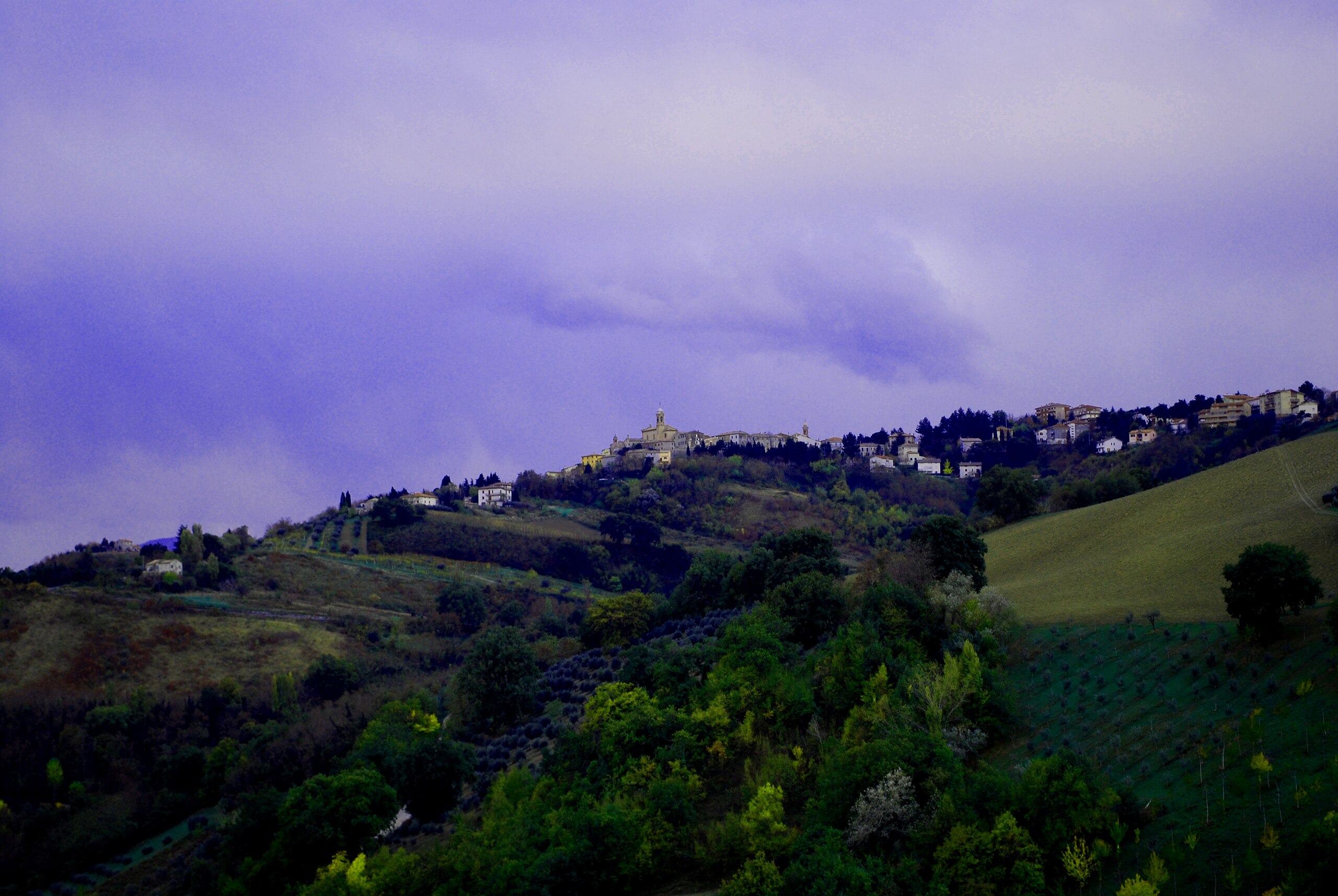
Poggio San Marcello is a small Italian municipality located in the province of Ancona, in the Marche region. This picturesque village is known for its enchanting rural landscape, historical architecture, and quiet atmosphere. It offers a glimpse into traditional Italian village life, with narrow cobbled streets, historic buildings, and breathtaking views of the surrounding countryside. The area is also renowned for its local cuisine and wine, making it a delightful destination for those interested in experiencing authentic Italian culture and gastronomy.
Poggio San Marcello, situated in the Marche region of Italy, is located in a territorial context rich in distinctive features:
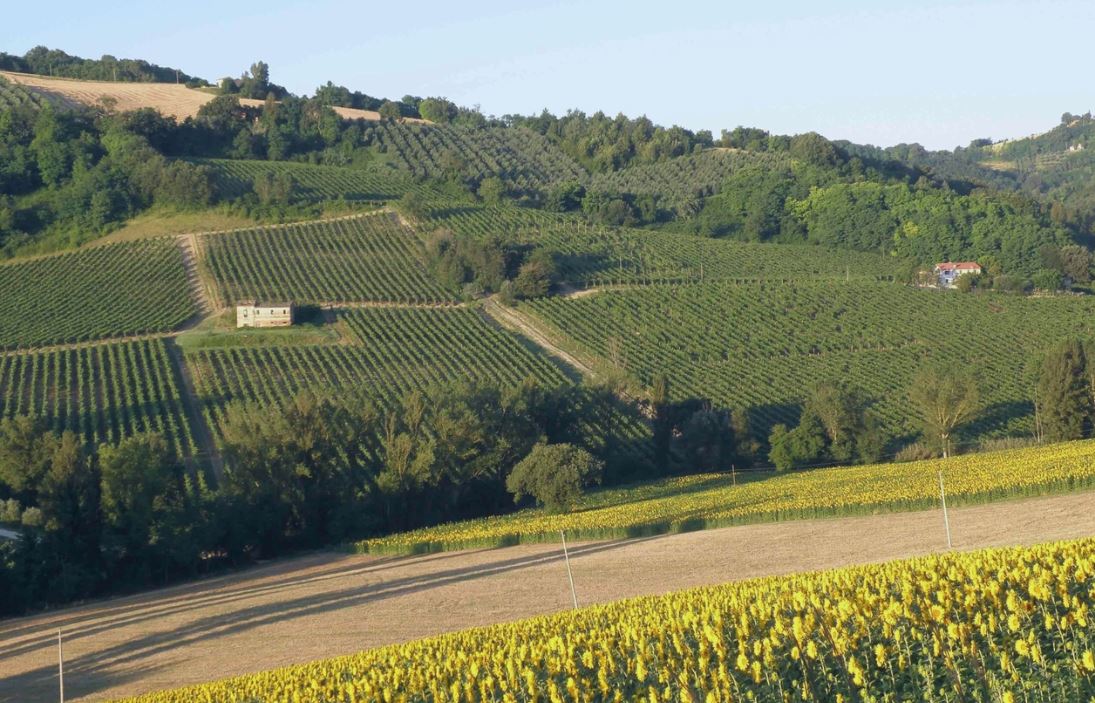
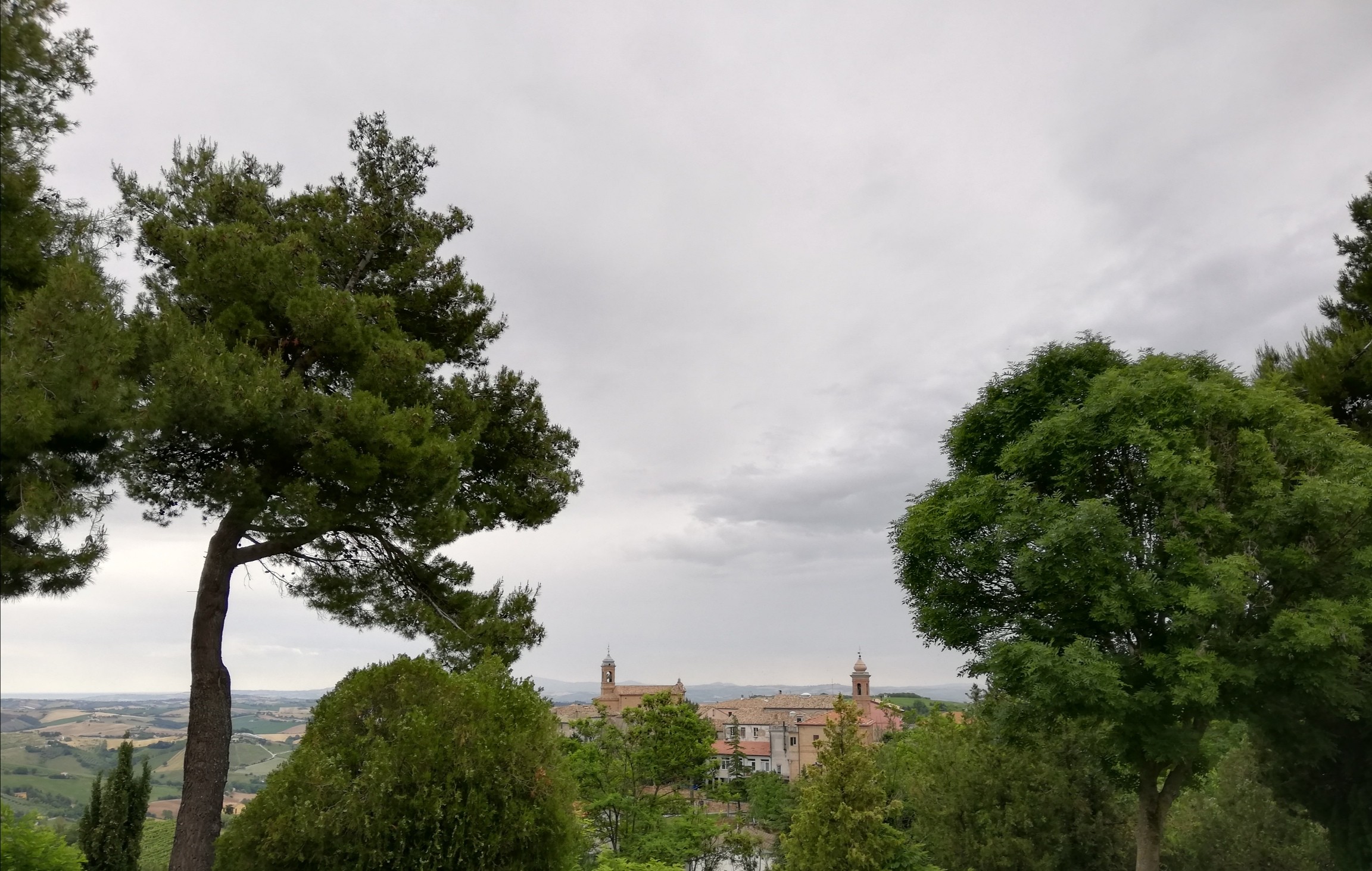
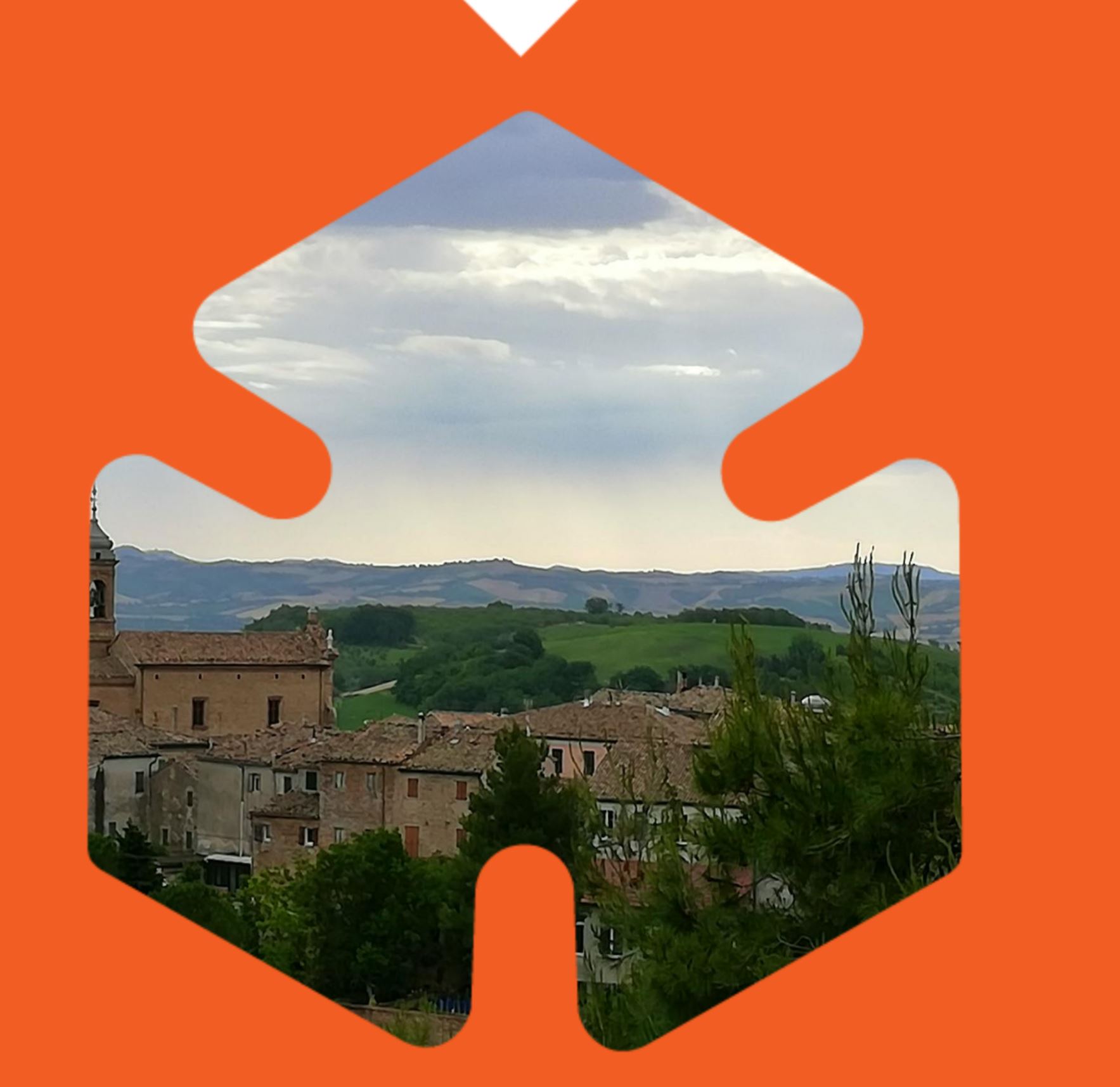
Geography and Landscape: The village is situated in a hilly area, typical of the Marche region. This landscape is characterized by rolling hills, cultivated fields, and wooded areas, offering a panoramic and picturesque view.
History and Culture: The Marche region is rich in history, with Roman, Medieval, and Renaissance influences. Poggio San Marcello, like many villages in the area, preserves this historical heritage, visible in its architecture and traditions.
Agriculture and Viticulture: The presence of vineyards and olive groves is a distinguishing feature of the landscape, and local production includes DOC and DOCG wines.
Proximity to the Sea: Poggio San Marcello is not far from the coasts. This offers the possibility of combining the rural experience with visits to beaches and coastal towns.
Art and Craftsmanship: The area is also known for its rich artistic and craft heritage, with many towns and villages hosting works of art, traditional craftsmanship, and cultural festivals.
Sustainable Tourism: The territory has a strong commitment to sustainable tourism, with an emphasis on the preservation of the natural and cultural landscape and on offering authentic experiences.
Accessibility and Connections: Although Poggio San Marcello is a small and tranquil village, it is well connected to the larger cities of the region, making it accessible for tourists.
In summary, Poggio San Marcello benefits from a territorial context that blends natural beauty, historical and cultural richness, food and wine traditions, and an authentic rural atmosphere, making it an ideal place for visitors seeking a genuine and diverse Italian experience.
Gallery


Medium
From a reflection by
Archaeological finds testify to the presence of humans in the territory of Poggio San Marcello since ancient times. In the 1950s, during his stay in Poggio San Marcello, Father Luigi Agostino Grazzi, a Saverian missionary and a deep connoisseur of history, made significant archaeological discoveries. The most important of these was the finding of a Picene warrior's tomb with its military equipment, which provides evidence of human presence in this area as early as 500 BC. Furthermore, there is evidence of continued life during the Roman Empire and also in the early centuries of Christianity, as demonstrated by Roman-era sewage tiles and some early Christian mosaics accidentally discovered in 1956 during the renovation of the sewage network within the castle's city walls.
The origins of the Castle can be traced back to the 13th century.
After the year 1000, a "villa" was present, meaning a cluster of dwellings, under the feudal jurisdiction of the Bishop of Jesi. The traces of monastic settlements are still visible today, such as in the small Romanesque church of San Marcello al Poggio. Inside, there is a fresco depicting the Crucifixion from the 1400s (now restored and displayed in the parish church). The church of Santa Maria del Monte (located a few kilometers from the village) has been documented in the diocesan archives since the 1200s. Not far away, on a lower hill, a church dedicated to Saint Nicholas of Bari was built, and its Gothic crypt is still preserved. This building was the first to form the future Castle, which also dates back to the 1300s.
During this historical period, the Diocese of Jesi already had an ecclesiastical organization. The territory of Vallesina was divided into 7 parishes. Poggio San Marcello was part of the parish of Montecarotto, the largest in the diocese, with 12 parishes, and included the current territories of Castelplanio, Rosora, Poggio San Marcello, and Montecarotto.
In 1261, the Castle of Poggio San Marcello is mentioned as an already consolidated and fortified urban settlement and is recorded as a fief of the Bishop of Jesi.
The 1261 document addresses a dispute between the Bishop of Jesi, the feudal lord of Poggio San Marcello, and the municipality of Jesi, which was making claims over the control of the Vallesina area. In his defense, the bishop argues that he had acquired the castle, its court, and the land from an Ageruno or Agruino. Thus, it is known that Poggio San Marcello had a feudal lord (dominus loci) who ruled the castle and its lands.
Poggio San Marcello entered the orbit of the municipality of Jesi in 1301. After long struggles for independence, the bishop decided to sell the castle to the free commune of Jesi. From that moment on, Poggio San Marcello became part of the contado (territory) of Jesi until its eventual dissolution with the unification of Italy.
Its subjugation to the powerful city of the valley is documented in an important 1530 document, which records the ancient tradition of the ceremony of presenting the pallium of San Floriano, an act of obligatory reverence and submission to the magistracies of the contado. This ritual was never accepted nor overcome by the castles of the contado. The document is the oldest known parchment attesting to the presentation of the traditional banner by the Castle to the dominant city during the celebration of Saint Florian, the patron saint of Jesi.
In the central centuries of the modern age, Poggio San Marcello followed the fortunes of Jesi and the Papal States, acknowledging its direct rule, although the city granted a certain degree of autonomy to the various communities within its contado, which manifested in actual municipal magistracies. Evidence of this can still be found in the local historical archives of Poggio San Marcello. The municipality was part of the Jesi State until the fall of the "Ancien Régime" in the Marche, following the Napoleonic invasion of much of the territories that constituted the Papal States.
The life in Poggio San Marcello during the 1600s and 1700s was extremely vibrant, as evidenced by the beautiful buildings within the castle walls: The Sanctuary of the Madonna del Soccorso and the opening of the homonymous gate to the west in 1646; The Parish Church of San Nicolò da Bari, built from scratch starting in 1763 based on the design of Nicola Maiolatesi, with supervision by Mattia Capponi; The Town Hall, built in 1772 based on a project by Andrea Vici from Rocca Contrada (now Arcevia); The Civic Tower, built in 1755; The Bell Tower of the Sanctuary of the Madonna del Soccorso, built in 1785 and recently restored.
The town hall houses a small theater created on the upper floor in 1877, with a ceiling frescoed by Giovanni Renzi featuring beautiful decorations.
With the unification of Italy, the great ideological and political ferment led to the construction of the aqueduct in 1889, one of the first among the neighboring municipalities. Until then, the population had drawn water from several springs (fonti) located outside the castle walls.
An important brickworks, already present in the 1700s, contributed to the supply of bricks for the new bell tower of San Marco in Venice in the early 1900s.
The community lost its administrative autonomy in 1808 during the Napoleonic regime and again in 1926 during the Fascist dictatorship. In both cases, it was merged into the municipality of Castelplanio.
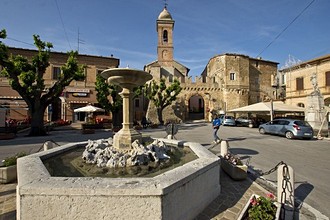
Between the late 1800s and early 1900s, the town underwent a transformation with the creation of a square outside the walls, beautified by the fountain inaugurated in 1889 to mark the completion of the new aqueduct. The school building and the new hospital were also constructed, later becoming the Institute of the Saverian Missionaries from 1926 to 1956.
A tribute in lives was sacrificed during World War I, and after the end of the Great War, a monument to the fallen was erected in Piazza Giacomo Leopardi.
Poggio San Marcello was situated on the front line during the war and contributed further sacrifices for freedom. Among those remembered are Tarcisio Tassi, a partisan from the Maiella Brigade, and military personnel like Pompeo Venanzi, who died in Ljubljana after the 1943 armistice.
Finally, the advent of the Italian Republic arrived. The town, like all of Italy, rose from the ruins of the tragedy, and in 1947 it was re-established as an independent municipality.
In the following decades, the town experienced a phenomenon of depopulation, caused by the migration from the countryside and the lack of employment opportunities for the inhabitants. The emigration trend was directed toward Italian cities, especially Rome, as well as European countries such as Belgium, France, Germany, and Switzerland. Many residents of Poggio San Marcello, in particular, emigrated to Belgium to work as miners in the coal mines.
After the war, the population was about 1,880; today, it is just 650.
Battle of Montecarotto
The skirmish had indeed galvanized the German troops, who headed toward the reconquest of Montecarotto, protected by a relentless cover of fire. The British officers "Lamb" (a cover name, as he was likely a member of the British intelligence services) and Lesley Filliter encouraged the besieged to hold out and not surrender. The XIII platoon, stationed at Poggio San Marcello, came to the aid of the resistance, but during the mission, the leader Tarcisio Tassi was killed, while the rest of the platoon had to retreat, except for seven men who managed to reach the hospital by throwing themselves into the German melee.
Game of the ruzzola
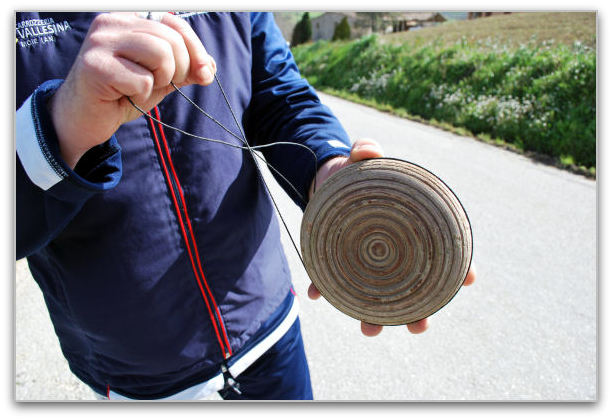
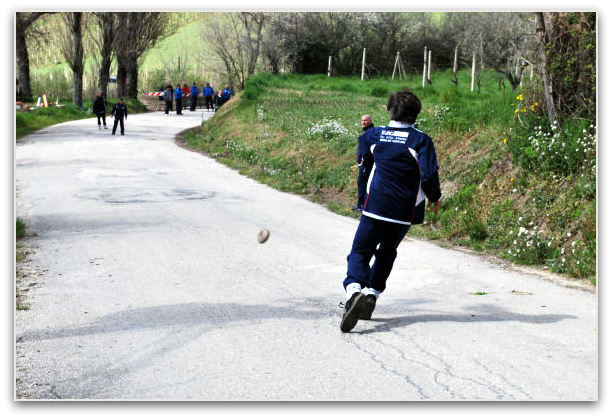
That it is a game with an ancient tradition is proven more by its widespread popularity throughout Italy, which persisted until just 50 years ago, than by the few historical documents that exist. The industrialization and abandonment of the countryside led to the neglect of this sport, which has always been considered a humble pastime, practiced by the lower classes of the population. Some even argue that it is not exaggerated to think that the game of ruzzola may have Etruscan origins. Certainly, by the end of the Roman Empire, the game was being played; in fact, a ruzzola with string was found in the tomb of a child. The most significant historical document proving the widespread practice of this sport, especially in the Fermano area, is a decree banning its practice on the main roads of the town. In S. Elpidio a Mare, in 1571, a collection of decrees was printed ("Statutorum ecclesiasticae terrae Sancti Elpidii volumen"), provisions that experts believe date back, in many cases, to several centuries earlier. In book IV, rubric 88, these statutes (which are in Latin) state: "It shall not be lawful for anyone to play ruzzola or cheese on the internal streets of our land (the town) under penalty of a 4-pound fine for each person, and also outside the said town, on the roads leading to S. Maria del Gesù dell’Osservanza and to S. Agostino Vecchio, under penalty of 40 soldi for each person. Anyone who reports an offense shall earn a quarter of the fine and will be believed under oath." Already 500 years ago, ruzzola players had problems with the authorities; it is true there were no cars back then, but neither were there the beautiful paved roads we have today, and the temptation to take a shot on the beautiful cobblestone avenue where the friars walked must have been strong.

Dalle Aie Contadine alle Rievocazioni Storiche: La Trebbiatura come Cuore della Tradizione e Identità Rurale di Poggio San Marcello e delle Marche.
The unbreakable bond between Poggio San Marcello and its land is evident from the earliest documentation on land use. As early as the 17th century, the "Cozze"—common lands near the castle walls—were designated for the grazing of livestock, despite prohibitions. This detail is not merely anecdotal but reveals how, even within a fortified and defensive context, agricultural activities were intrinsically linked to the survival and economy of the community. The dependence on the land and its resources shaped the village's identity throughout the centuries, demonstrating remarkable continuity and the ability of human practices to adapt to the environment. Agriculture was not just an economic activity but a shaping force that defined the character and development of the settlement.
The Vallesina, the fertile valley of the Esino River in which Poggio San Marcello is located, has earned a reputation over the centuries as the "granary of the Papal States." This designation, though evocative, might suggest a monoculture of cereals, but historical analysis reveals a much richer and more diversified agricultural landscape. While it is true that cereal cultivation, particularly wheat, dominated and intensified from the 14th century, eventually covering over 50% of the cadastral land of the Marche region by the end of the 14th century, the farming reality of the Vallesina was characterized by a complex polyculture.
Threshing, the crucial operation of separating the grain from the ear, underwent a profound evolution over the centuries, though it retained unchanged techniques for a long time. For hundreds of years, and well into the mid-20th century, threshing practices in the Marche region remained essentially those handed down from Roman times, as evidenced by the writings of Columella.
The threshing season went beyond being merely an agricultural task and took on deep social and cultural significance. It was a time of intense collective activity, marked by a strong sense of mutual aid among farming families. The work, though exhausting, became an occasion for social gathering for the entire community.
Poggio San Marcello is actively committed to preserving its agricultural heritage through annual historical reenactments of threshing, particularly the "Trebbiatura a fermo" (stationary threshing). Numerous videos document these events from 2014 to 2023, showcasing both mechanized harvesting and the setting up of historical threshers. These reenactments are not simple nostalgic displays but vibrant cultural events that bring the past back to life.
I. Introduction: Poggio San Marcello – A Land Shaped by Agriculture
II. The Agricultural Landscape of Poggio San Marcello and the Vallesina
III. The Evolution of Threshing Methods
IV. Threshing as a Community and Cultural Event
V. Preserving the Heritage: Reenactments and Museums
VI. Conclusion: The Enduring Spirit of the Land
ChatGPT from 18/02/2025
Poggio San Marcello is a small town located in the province of Ancona, in the Marche region, about 35 kilometers southwest of Ancona. The village is situated on a hill on the left side of the Esino River, offering scenic views of the surrounding hills.
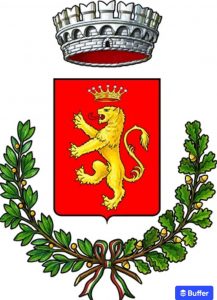
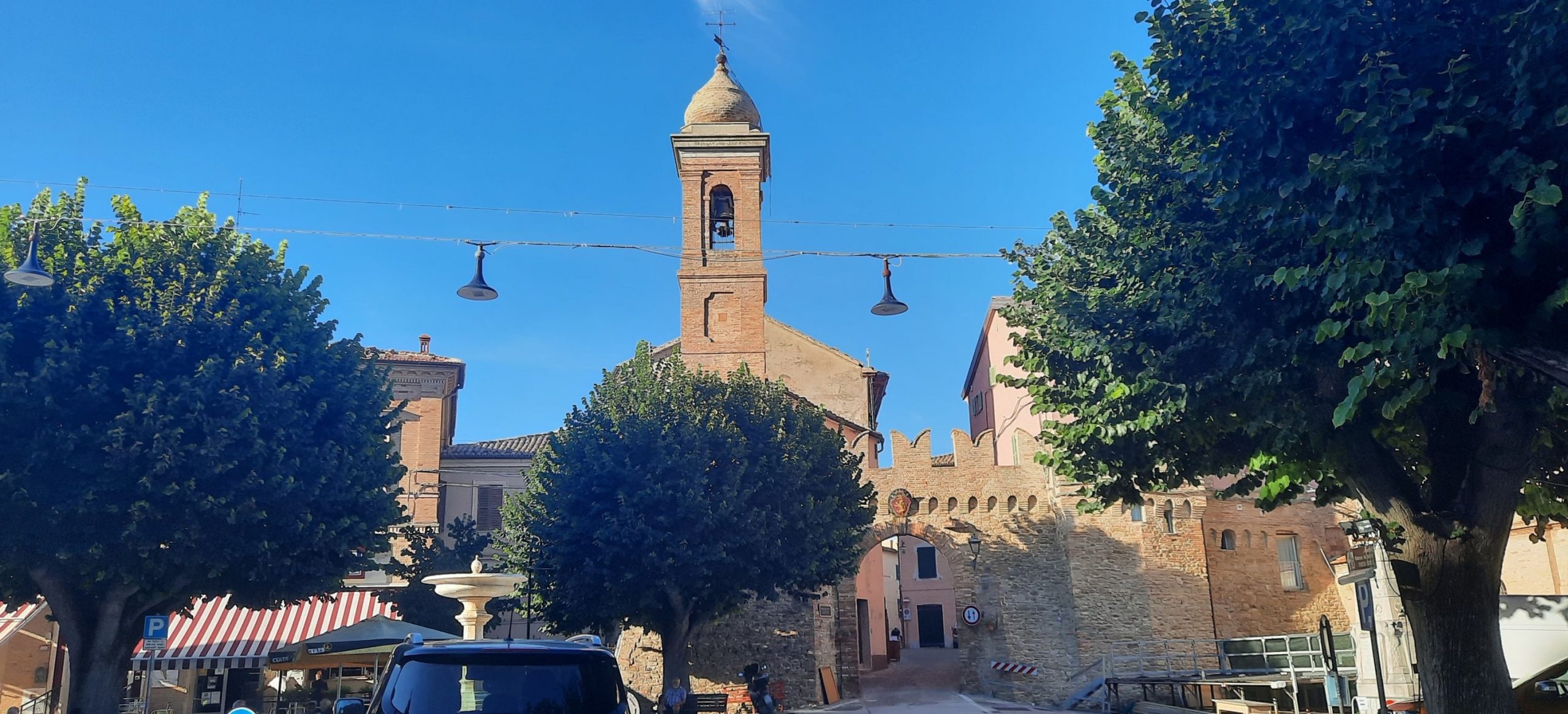
The historic center preserves medieval elements, including ancient walls with towers and two main gates: Porta San Nicola and Porta del Soccorso, the latter topped with the coat of arms of the municipality of Jesi. The main streets, Corso Tarcisio Tassi and Via Corriola, run through the village in a characteristic oval-shaped pattern.
Among the points of interest to visit in Poggio San Marcello:
Santuario della Madonna del Soccorso: Built in the 17th century, it features a neoclassical façade with niches containing statues of saints and pointed-arch windows. Inside, there are 17th-century altars and a wooden statue of the Virgin.
Chiesa di San Nicolò da Bari: Built in the 18th century by architect Andrea Vici, it houses a 16th-century fresco depicting the Crucifixion.
Palazzo Comunale: Built in 1772, it houses a theater and a finely frescoed council chamber.
Castle and City Walls: Remains of fortifications dating back to the early 16th century, which testify to the strategic importance of the village in the past.
For wine lovers, Cantina Sartarelli offers tastings and guided tours, allowing visitors to discover the authentic flavors of the region.
If you’re planning a visit, Poggio San Marcello offers various accommodation options, including apartments and vacation homes available on platforms like Airbnb.
For more information about local events and tourist attractions, you can visit the official tourism website of the Marche region.
Poggio San Marcello is an ideal destination for those who want to immerse themselves in the history, culture, and food and wine traditions of the Marche region, away from more crowded tourist spots.